Strapping equipment
Strapping equipment closes the gap between loose goods and a secured load. If you strap pallets, bundles or packages with PET, PP, steel or textile band, this category holds battery, pneumatic and manual devices alongside dispenser carts, seals and ready-to-work kits.
Warehouse managers, production teams and logistics buyers will find models matched to their strap type, width range and daily volume.
Showing all 53 results
-
Special offer29% OFF
 New
SKU: 110060
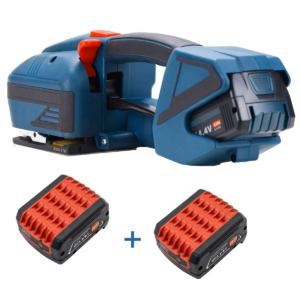
Cordless Strapping Machine TES PRO 12–16 mm PP/PET
⚡ Battery Powered 12-16 mm Strap 🛠️ Includes ChargerOriginal price was: 1.400 €.999 €Current price is: 999 €.Get a quote or buy Get offerAdd to quote -
17% OFF
 New
SKU: 110170
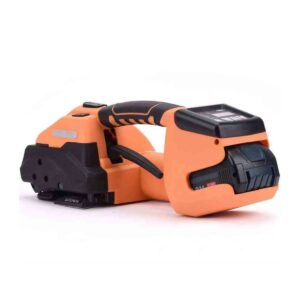
ARGON PLUS Strapping Tool for 13–19 mm PP/PET Strap
⚡ Battery Powered 13-19 mm Strap 🛠️ Durable BuildOriginal price was: 2.400 €.1.999 €Current price is: 1.999 €.Get a quote or buy Get offerAdd to quote -
Special offer12% OFF
 New
SKU: 110070
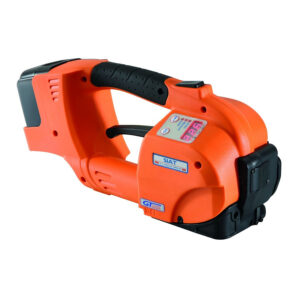
GT ONE Strapping Tool for 10–16 mm PET and PP Strap with Battery & Charger
⚡ Battery Powered 10-16 mm Strap 🛠️ Includes ChargerOriginal price was: 2.200 €.1.939 €Current price is: 1.939 €.Get a quote or buy Get offerAdd to quote -
Special offer25% OFF
 New
SKU: 110012
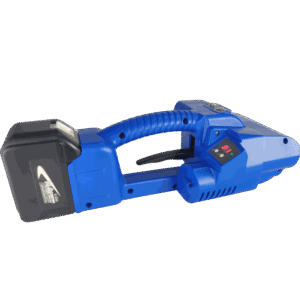
NEO2 Strapping Tool for 9–16 mm PET and PP Strap
⚡ Battery Powered 🛠️ Straps 9-16 mm 🔋 Includes ChargerOriginal price was: 1.599 €.1.199 €Current price is: 1.199 €.Get a quote or buy Get offerAdd to quote -
 New
Variation SKUs: 120032, 120033, 120034
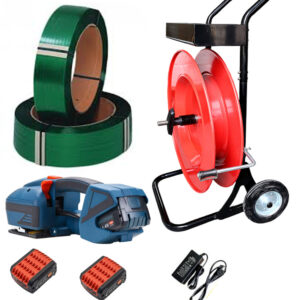
Banding Kit TES PRO for PET Strap 12–16 mm with Cart
⚡ Battery Powered 🛠️ For 12-16mm Straps 🧰 Complete Kit1.195 € This product has multiple variants. The options may be chosen on the product page Get offerAdd to quote -
10% OFF
 New
Variation SKUs: 120040, 120041
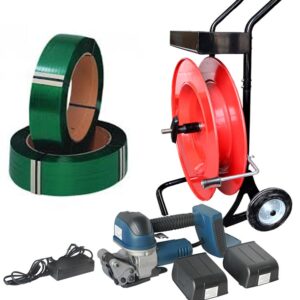
TES Plus Strapping Kit for 16–19 mm PET and PP Strap
⚡ Dual Battery Power 🧰 PET/PP Compatible 🛠️ Adjustable Strap1.495 € This product has multiple variants. The options may be chosen on the product page Get offerAdd to quote -
Special offer14% OFF
 New
SKU: 110090
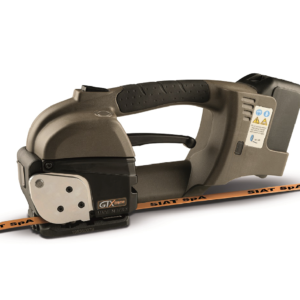
GT-XTREME Strapping Tool for 16–19 mm PP/PET Plastic Strap
⚡ Battery Powered 16-19 mm Strap Width 🛠️ Includes ChargerOriginal price was: 2.900 €.2.495 €Current price is: 2.495 €.Get a quote or buy Get offerAdd to quote -
31% OFF
 New
SKU: 140110
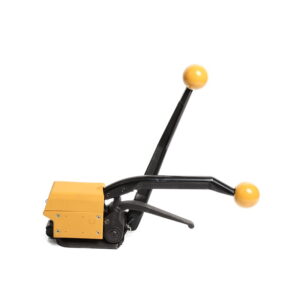
A3 Steel Strapping Tool 13–19 mm, Buckle-Free Manual
🛠️ Fits 13-19mm Straps ✅ Sealless Operation 🛡️ Durable Steel BuildOriginal price was: 400 €.275 €Current price is: 275 €.Get a quote or buy Get offerAdd to quote -
4% OFF
 New
SKU: 110110
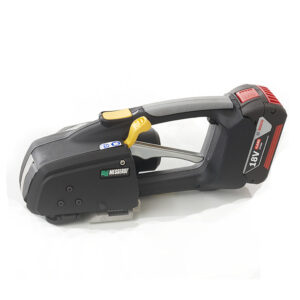
Electric Pallet Strapper MB820 for 16–19 mm PET and PP Strap
⚡ Battery Powered 16-19 mm Strap 🛠️ Includes ChargerOriginal price was: 2.180 €.2.095 €Current price is: 2.095 €.Get a quote or buy Get offerAdd to quote -
14% OFF
 New
SKU: 120060
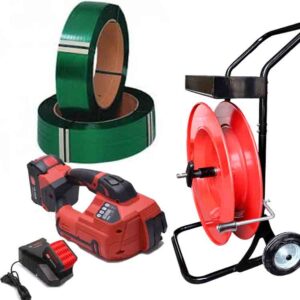
Banding Strapping Kit ARGON 10–16 mm PET/PP with Cart
🔋 Battery Included 🧰 Complete Kit ⚙️ Adjustable StrapOriginal price was: 2.200 €.1.899 €Current price is: 1.899 €.Get a quote or buy Get offerAdd to quote -
21% OFF
 New
SKU: 660010
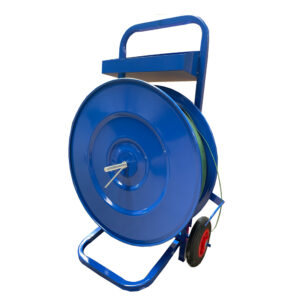
Strapping Holder Cart 405/406 for PET/PP Strap, 10–19 mm Width
🛠️ Fits 405/406 mm ♻️ Durable Steel Frame ✅ Easy MobilityOriginal price was: 189 €.149 €Current price is: 149 €.Get a quote or buy Get offerAdd to quote -
17% OFF
 New
SKU: 110020
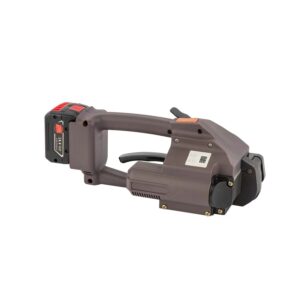
NEO Plus Strapping Tool for PP/PET Strap 16–19 mm
⚡ Battery Powered 16-19 mm Strap Width 🛠️ Includes ChargerOriginal price was: 1.800 €.1.495 €Current price is: 1.495 €.Get a quote or buy Get offerAdd to quote -
13% OFF
 New
SKU: 120011
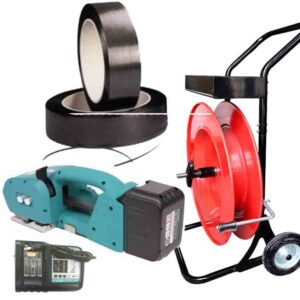
NEO 9-16 mm Strapping Kit: Battery Tool, Charger, PP Strap and Cart
🧰 Battery & Charger ✅ Compatible with 9-16mm 🚛 Includes StrappingOriginal price was: 1.599 €.1.399 €Current price is: 1.399 €.Get a quote or buy Get offerAdd to quote -
18% OFF
 New
Variation SKUs: 120017, 120018
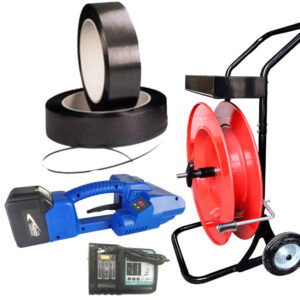
NEO2 PP Strapping Kit: Cordless System with Cart, 9–16 mm
⚡ Battery Powered 🛠️ Fits 9-16 mm Straps 🧰 Complete KitOriginal price was: 1.700 €.1.399 €Current price is: 1.399 €. This product has multiple variants. The options may be chosen on the product page Get offerAdd to quote -
19% OFF
 New
SKU: 110050
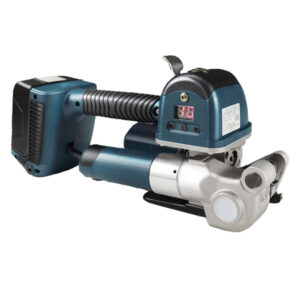
Battery Powered Strapping Machine TES Plus 16–19 mm PET/PP
Original price was: 1.600 €.1.299 €Current price is: 1.299 €.Get a quote or buy Get offerAdd to quote -
 New
SKU: 120510
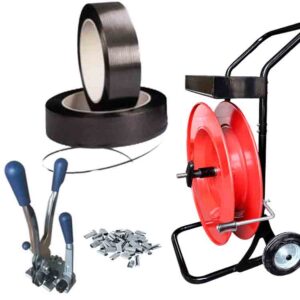
PPST16 Strapping Kit with 15.5 mm PP Strap, Seals and Cart
🧰 Complete Kit ⚡ Heavy-Duty Strap ✅ Ergonomic Cart319 €Get a quote or buy Get offerAdd to quote -
20% OFF
 New
SKU: 120120
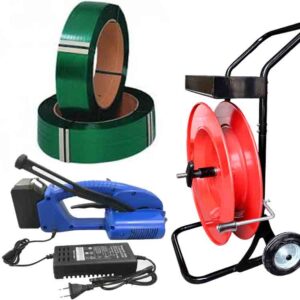
Pallet Banding Kit JET 12–16 mm Battery PET/PP with Cart
⚡ Battery Powered 12-16 mm Strap Width 🛠️ Complete KitOriginal price was: 1.120 €.899 €Current price is: 899 €.Get a quote or buy Get offerAdd to quote -
18% OFF
 New
SKU: 120121
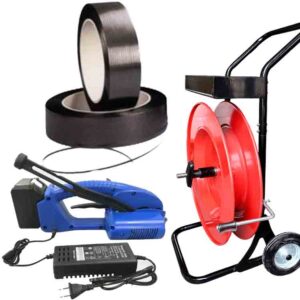
Strapping Tool Kit JET 12–16 mm PET/PP with Battery and Cart
⚡ Battery Powered 12-16 mm Strap Width 🧰 Complete KitOriginal price was: 1.100 €.899 €Current price is: 899 €.Get a quote or buy Get offerAdd to quote -
 New
Variation SKUs: 140202, 140201, 140200
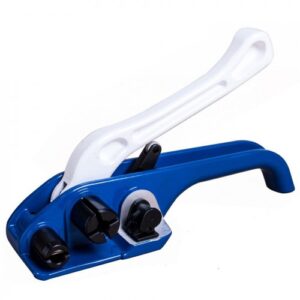
Tensioner for Strapping XW-20 for Textile and Composite Strap 13–50 mm
🛠️ Adjustable Strap ✅ Manual Operation 🛡️ Durable BuildPrice range: 48 € through 138 € This product has multiple variants. The options may be chosen on the product page Get offerAdd to quote -
31% OFF
 New
SKU: 110120
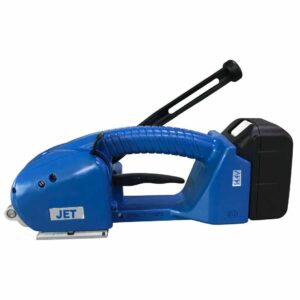
Strapping Gun JET, Semi-Automatic Tool for 12–16 mm PET/PP Strap
⚡ Battery Powered 12-16 mm Strap 🛠️ Includes ChargerOriginal price was: 1.000 €.695 €Current price is: 695 €.Get a quote or buy Get offerAdd to quote -
 New
SKU: 140100
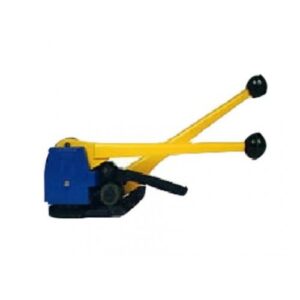
BO-51 Steel Strapping Tool, Sealless Manual, 8000 N Joint
🛠️ Steel Strapping ✅ Manual Sealless Design ⚙️ Durable Steel490 €Get a quote or buy Get offerAdd to quote -
 New
SKU: 130010
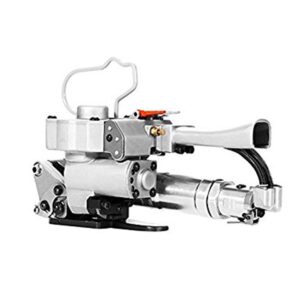
AIR19 Strapping Tool for 13–19 mm PET and PP Strap
🛠️ Pneumatic Power 13-19 mm Strap Width ⚡ High Efficiency469 €Get a quote or buy Get offerAdd to quote -
21% OFF
 New
SKU: 140010
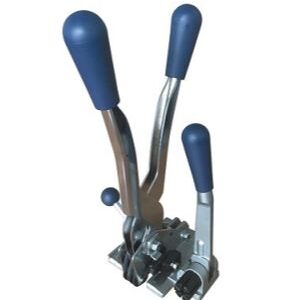
Plastic Strapping Tensioner PPST-13 for 12–16 mm PP Strap, 2.75 kg
🛠️ Compatible with 12-16mm ⚡ Manual Operation 🛡️ Durable SteelOriginal price was: 150 €.119 €Current price is: 119 €.Get a quote or buy Get offerAdd to quote -
13% OFF
 New
SKU: 120800
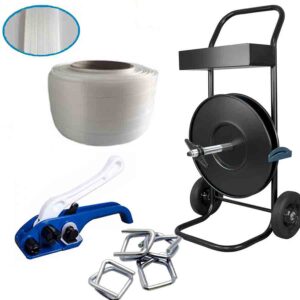
CORD 13-19 mm Strapping Kit with 16 mm Composite Strap and Cart
🛠️ Manual Cord Tool ✅ Composite Strap 16 mm ⚙️ Strapping CartOriginal price was: 400 €.349 €Current price is: 349 €.Get a quote or buy Get offerAdd to quote -
 New
SKU: 120500
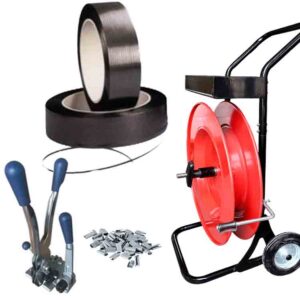
PPST13 Strapping Kit with 12 mm PP Strap, Seals and Dispenser Cart
🛠️ Complete Strapping ♻️ Durable Polypropylene ⚡ Easy Mobility Cart319 €Get a quote or buy Get offerAdd to quote -
23% OFF
 New
SKU: 660050
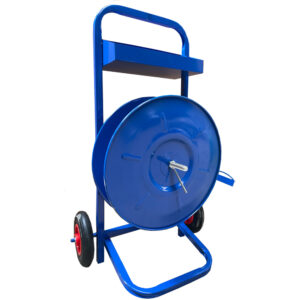
HC2 Strap Dispenser for PP and Composite Band, Ø200 mm Core
🛠️ Durable Steel Frame Ø200mm Reel Capacity ✅ Easy MobilityOriginal price was: 180 €.139 €Current price is: 139 €.Get a quote or buy Get offerAdd to quote -
 New
Variation SKUs: 660320, 660324, 660326, 660328
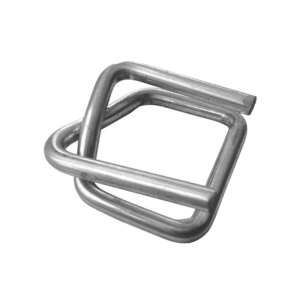
Wire Buckles for Cord Strap, Galvanized, 16 mm to 32 mm Width
🛡️ Corrosion Resistant Fits 16-25 mm Straps ⚙️ Heavy-Duty StrengthPrice range: 39 € through 57,68 € This product has multiple variants. The options may be chosen on the product page Get offerAdd to quote -
21% OFF
 New
SKU: 660030
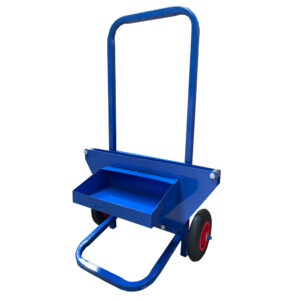
HS5 Steel Strap Cart for Ribbon Steel Strapping, 50 kg Load Capacity
🛠️ Heavy-Duty Frame Compact Design ⚡ Efficient StrapOriginal price was: 200 €.159 €Current price is: 159 €.Get a quote or buy Get offerAdd to quote -
 New
Variation SKUs: 660395, 660400, 660410, 660420
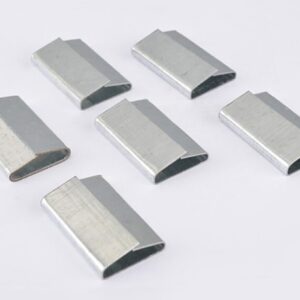
Pallet Banding Clips for Pneumatic Steel Strapping, 16 to 32 mm
🛡️ Corrosion Resistant Fits 16-32 mm Straps ✅ Pneumatic ToolPrice range: 79 € through 109 € This product has multiple variants. The options may be chosen on the product page Get offerAdd to quote -
 New
Variation SKUs: 660300, 660311
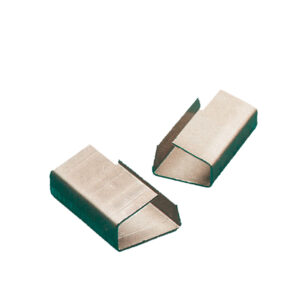
Plastic Strapping Clips for PP Strap 13 mm and 16 mm, 1000 pcs
🛡️ Durable PP Material Fits 13mm & 16mm ✅ Secure Seal Grip15 € This product has multiple variants. The options may be chosen on the product page Get offerAdd to quote -
 New
Variation SKUs: 112003, 112002, 112001
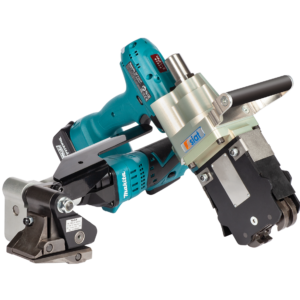
Metal Bander ELECTRA M Series for 19–32 mm Steel Strap
⚡ Battery Powered 🛠️ Steel Strapping ✅ Durable Construction4.890 € This product has multiple variants. The options may be chosen on the product page Get offerAdd to quote -
21% OFF
 New
Variation SKUs: 112004, 112005, 112006
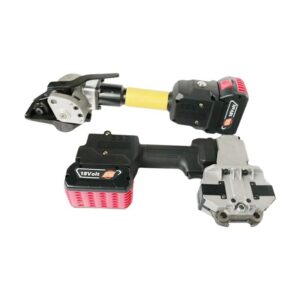
Steel Bander AKU-STEEL DUO for 19–32 mm Steel Strap
🛠️ Steel Strap 19-32 mm ⚡ Battery Powered 🛡️ Durable IndustrialOriginal price was: 3.800 €.2.999 €Current price is: 2.999 €. This product has multiple variants. The options may be chosen on the product page Get offerAdd to quote -
 New
Variation SKUs: 110130, 110140, 110150
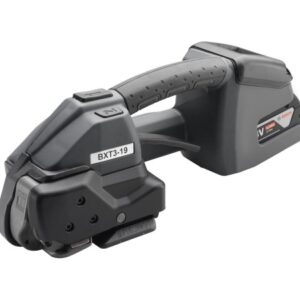
Signode BXT3 strapping tool for 9–19 mm PP and PET strap
⚡ Battery Powered 🛠️ Fits 9-19 mm Straps 🔇 Low Noise OperationPrice range: 2.799 € through 2.899 € This product has multiple variants. The options may be chosen on the product page Get offerAdd to quote -
Special offer6% OFF
 New
SKU: 111001
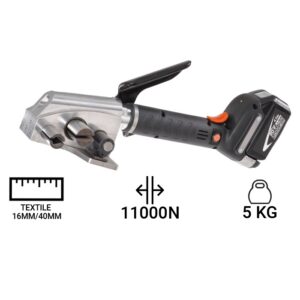
ITI 71 Strapping Tool for 16–40 mm Textile and Composite Strap
⚡ Battery Powered 16-40mm Strap Width 🛠️ Includes ChargerOriginal price was: 2.600 €.2.439 €Current price is: 2.439 €.Get a quote or buy Get offerAdd to quote -
18% OFF
 New
SKU: 110072
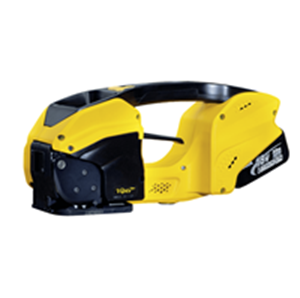
Automatic Strapping Tool SIAT VIPER for 9–16 mm PP/PET Strap
⚡ Battery Powered 🛠️ Adjustable Strap Size ✅ High Tension ForceOriginal price was: 2.926 €.2.399 €Current price is: 2.399 €.Get a quote or buy Get offerAdd to quote -
18% OFF
 New
Variation SKUs: 130041, 130040
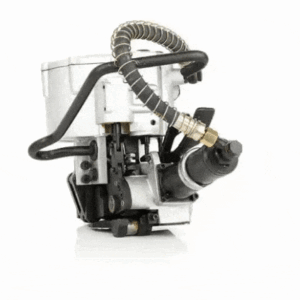
Steel Banding Tool AIR Metal Pneumatic 16–32 mm Combination Unit
⚡ High Tension Power 🛡️ Durable Steel Build 🔇 Low Noise OperationPrice range: 1.799 € through 2.200 € This product has multiple variants. The options may be chosen on the product page Get offerAdd to quote -
 New
Variation SKUs: 120051, 120050
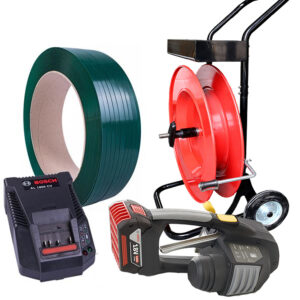
MB620 PET Strapping Kit with Battery Tool and Cart, 12–16 mm
⚡ Battery Powered 🧰 PET/PP Compatible 📏 Strap Width 12-16mmPrice range: 2.145 € through 2.155 € This product has multiple variants. The options may be chosen on the product page Get offerAdd to quote -
 New
Variation SKUs: 120053, 120052
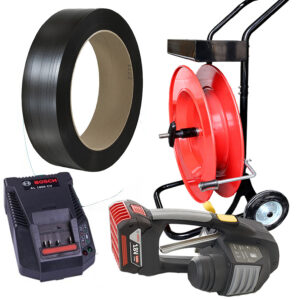
MB620 PP Strapping Kit: Tool, Charger, Strap and Dispenser Cart, 12–16 mm
🔋 Battery Powered 🛠️ Adjustable Strap 🚛 Mobile Dispenser Cart2.145 € This product has multiple variants. The options may be chosen on the product page Get offerAdd to quote -
7% OFF
 New
Variation SKUs: 120022, 120023
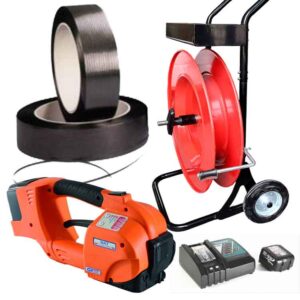
GT-ONE PP Strapping Kit 10–16 mm | Battery Tool, Strap & Dispenser Cart
🔋 Battery Powered 🧰 Complete Kit ⚙️ PP Strap 12/15.5mmOriginal price was: 2.300 €.2.145 €Current price is: 2.145 €. This product has multiple variants. The options may be chosen on the product page Get offerAdd to quote -
7% OFF
 New
Variation SKUs: 120021, 120020
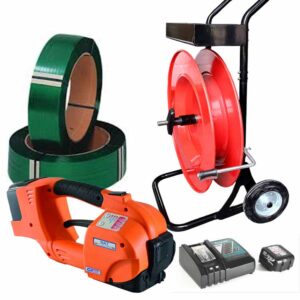
GT-ONE PET Strapping Kit 10–16 mm with Cart and Battery
🛠️ Compatible 10-16 mm 🔋 Battery & Charger ♻️ Durable PET StrapsOriginal price was: 2.300 €.2.145 €Current price is: 2.145 €. This product has multiple variants. The options may be chosen on the product page Get offerAdd to quote -
9% OFF
 New
SKU: 120061
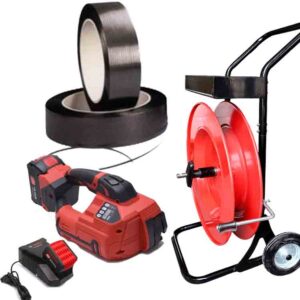
Polypropylene Strapping Kit ARGON 10–16 mm with Cart and PP Strap
⚡ Battery Powered 🧰 Complete Kit ✅ Durable PolypropyleneOriginal price was: 2.200 €.1.999 €Current price is: 1.999 €.Get a quote or buy Get offerAdd to quote -
Special offer11% OFF
 New
SKU: 110100
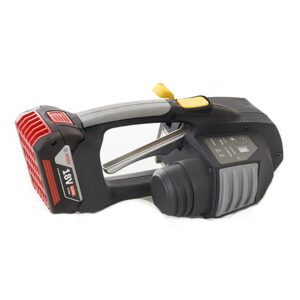
Electric Strapper MB620 for 12–16 mm PET and PP Strap
⚡ Battery Powered 12-16 mm Strap 🛠️ Includes ChargerOriginal price was: 2.160 €.1.920 €Current price is: 1.920 €.Get a quote or buy Get offerAdd to quote -
10% OFF
 New
SKU: 110160
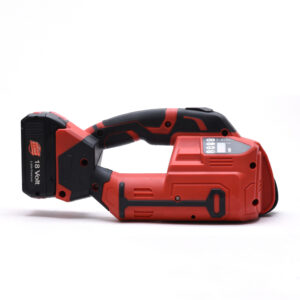
ARGON Strapping Tool for PET and PP Strap 10–16 mm
⚡ Battery Powered 10-16 mm Strap 🛠️ Includes ChargerOriginal price was: 2.000 €.1.799 €Current price is: 1.799 €.Get a quote or buy Get offerAdd to quote -
15% OFF
 New
SKU: 110080
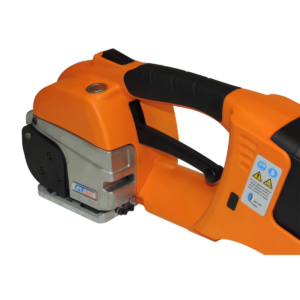
GT SMART Plus Strapping Tool for PET/PP Strap 9–16 mm
⚡ Battery Powered 9-16 mm Strap 🛠️ Includes ChargerOriginal price was: 2.000 €.1.699 €Current price is: 1.699 €.Get a quote or buy Get offerAdd to quote -
 New
SKU: 110055
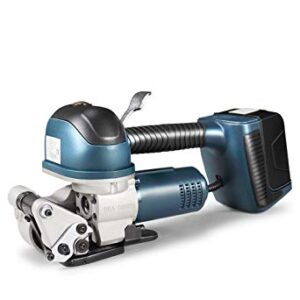
Battery Operated Strapping Machine TES EXTREME 19–25 mm PET/PP
⚡ Dual Battery Power 🛠️ Straps 19-25mm 🔋 Charger Included1.495 €Get a quote or buy Get offerAdd to quote -
13% OFF
 New
Variation SKUs: 120450, 120451, 120452
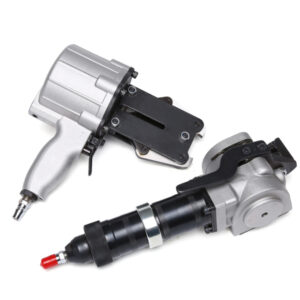
Metal Banding Tool AIR DUO32, Pneumatic Set for 19–32 mm Steel Strap
🛠️ Pneumatic Operation ⚙️ Steel Strap 🛡️ Integrated Sealer1.399 € This product has multiple variants. The options may be chosen on the product page Get offerAdd to quote -
24% OFF
 New
Variation SKUs: 120016, 120015, 120014
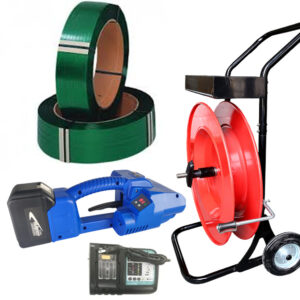
NEO2 PET Strapping Kit: Battery Tool for 9–16 mm Strap with Cart
⚡ Battery Powered 9-16 mm Strap Width 🛡️ Durable Strapping1.399 € This product has multiple variants. The options may be chosen on the product page Get offerAdd to quote -
 New
SKU: 140112
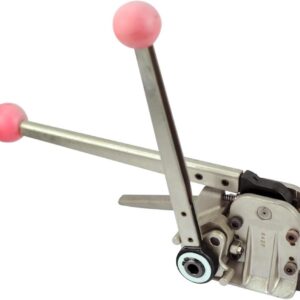
Metal Strapping Tool A4, Sealless, 0.55–0.75 mm Steel Strap
🛠️ Sealless Operation 25-32 mm Steel Strap ⚡ Buckle-Free Design690 €Get a quote or buy Get offerAdd to quote -
19% OFF
 New
SKU: 120400
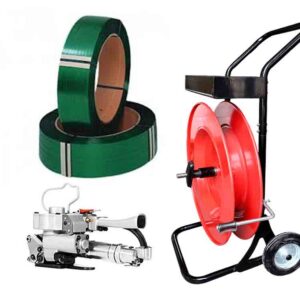
AIR19 strapping kit with pneumatic tool, PET strap and cart, 13–19 mm
🛠️ Pneumatic Operation ✅ Compatible with 13-19 mm ♻️ Includes PETOriginal price was: 800 €.649 €Current price is: 649 €.Get a quote or buy Get offerAdd to quote -
 New
SKU: 110070_01
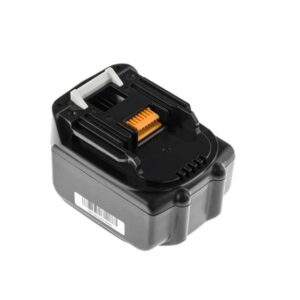
GT ONE Spare Battery: Li-Ion 4.0 Ah for GT-ONE SP3 (10–16 mm)
⚡ 14.4V Power 🔋 4.0 Ah Capacity 🛠️ Compatible with GT-ONE169 €Get a quote or buy Get offerAdd to quote -
 New
SKU: 660390
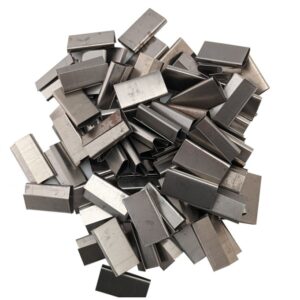
Banding Clips 16×40 mm for 16 mm Steel Strap, 1000 Pieces
🛠️ Manual Use Steel 16x40mm Pack of 100079 €Get a quote or buy Get offerAdd to quote -
12% OFF
 New
SKU: 660020
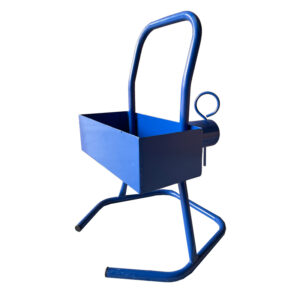
Woven Strap Dispenser Ø76 mm: Steel Cart, 20 kg Capacity
🛠️ Robust Steel Frame Ø76mm Spool Holder ✅ Easy MobilityOriginal price was: 78 €.69 €Current price is: 69 €.Get a quote or buy Get offerAdd to quote -
14% OFF
 New
SKU: 123
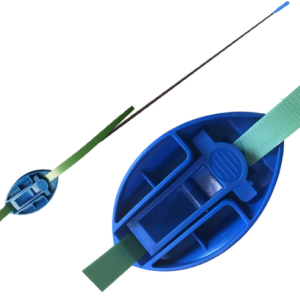
Pallet Strap Threader B190cm for PP and PET Strap up to 25 mm
🛠️ Flexible Fiber Rod Ergonomic Design 190 cm Rod LengthOriginal price was: 80 €.69 €Current price is: 69 €.Get a quote or buy Get offerAdd to quote
Strapping equipment
Why strapping equipment matters for load security
Goods that shift on a pallet during transport cause damage claims and rejected deliveries. Strapping holds layers, bundles and individual items together by wrapping a band around them, tensioning it and locking the joint. The question is which device, strap material and tension level suit your loads.
This category covers the full scope of strapping equipment: battery-powered, pneumatic and manual devices for PET, PP, steel and textile strap, together with the carts, seals and complete kits that support them.
Battery, pneumatic and manual: how the drive types differ
Battery devices run on lithium-ion cells and move freely around the warehouse floor without hoses or cables. Strap widths range from 9 mm up to 25 mm on PET and PP models such as the GT ONE (10–16 mm, 2750 N) and the TES EXTREME (19–25 mm, up to 5000 N). For steel strap, the ELECTRA M Series covers 19, 25 and 32 mm with up to 7500 N of tension. Most battery models seal PET and PP strap by friction welding, eliminating the need for metal seals.
Pneumatic devices connect to a compressed-air line at 0.5–0.8 MPa. The AIR19 handles 13–19 mm PET and PP strap with up to 3500 N of tension. They suit fixed packing stations that already have an air supply.
Manual devices need no power source at all. The BO-51 tensions and interlocks steel strap without seals, weighing 3.9 kg. For textile and composite band, the XW-20 covers 13–50 mm widths from 1.12 kg. These fit locations without electricity or compressed air and operations with low daily strap counts.
Choosing strapping equipment by strap material, width and tension
Each device accepts one strap material within a fixed width range. Begin with the band your loads require:
- PET and PP strap (9–25 mm): covered by battery and pneumatic models. Friction weld joints remove the cost of metal seals. Tension forces reach up to 5000 N depending on the model.
- Steel strap (13–32 mm): needs dedicated devices. Sealless manual models such as the BO-51 interlock the overlapping ends. Battery and pneumatic sets accept steel strap up to 32 mm.
- Textile and composite strap: the battery-powered ITI 71 covers 16–40 mm (up to 11,000 N) and the manual XW-20 covers 13–50 mm. Joints use wire buckles in 16, 19, 25 or 32 mm.
Width and thickness must fall inside the range printed on the device. A unit built for 12–16 mm strap will not grip 19 mm band. Thickness must also match: the GT ONE accepts 0.5–1.1 mm, while the TES EXTREME accepts 0.8–1.2 mm.
Pallet strapping kits, dispenser carts and seals
If you are outfitting a new packing station, a pallet strapping kit bundles the device, strap coil and dispenser cart in one order. The CORD 13-19 mm kit, for instance, includes a manual device, two 600 m rolls of 16 mm composite strap, 1000 clips and a cart.
Dispenser carts prevent tangling. Models fit PP/PET cores of 200 mm and 405/406 mm, textile bands with a 76 mm core, and ribbon-wound steel coils.
Seals depend on the strap type and joint method. Friction weld strapping equipment needs no separate consumables. PP strap closed with a manual tensioner requires metal clips in 13 or 16 mm. Steel strap uses banding clips or buckles. Textile and composite band needs galvanized wire buckles sized 16, 19, 25 or 32 mm.