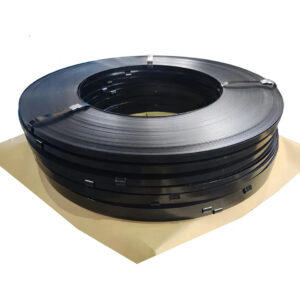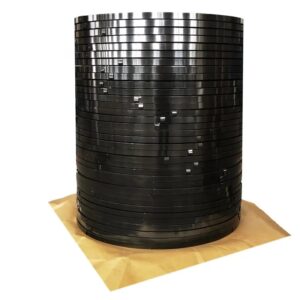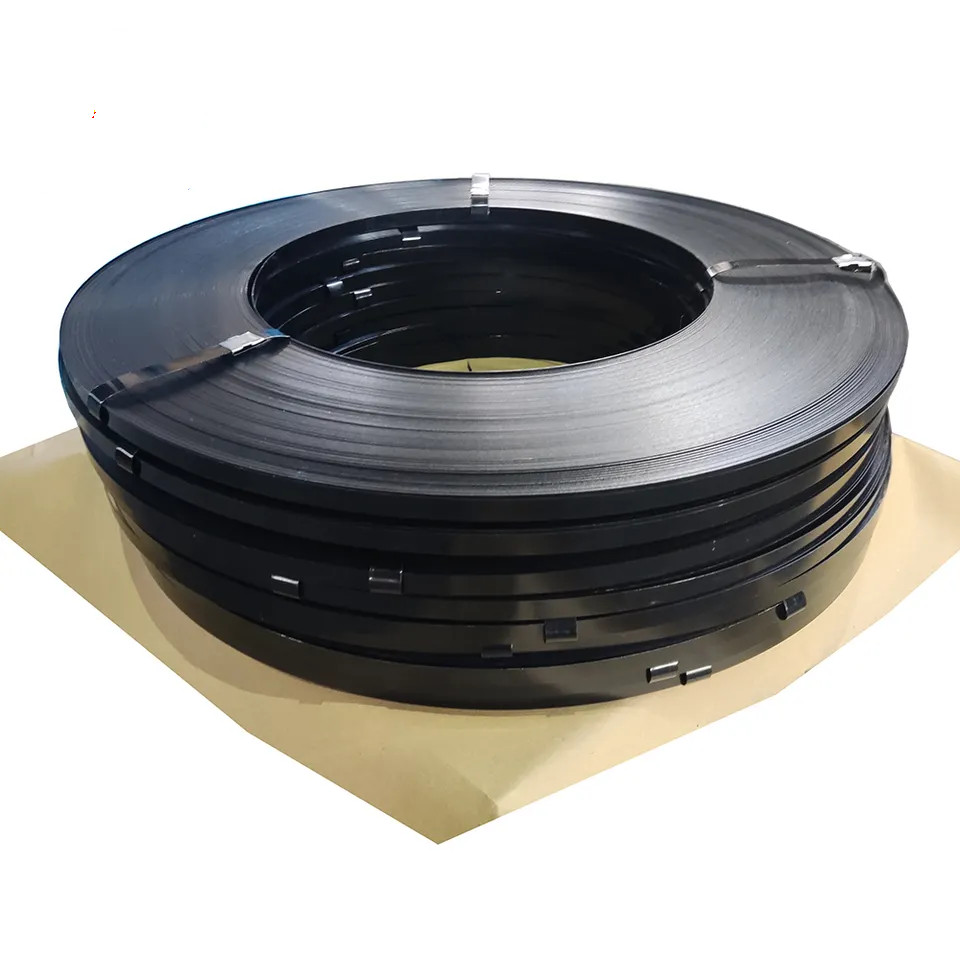
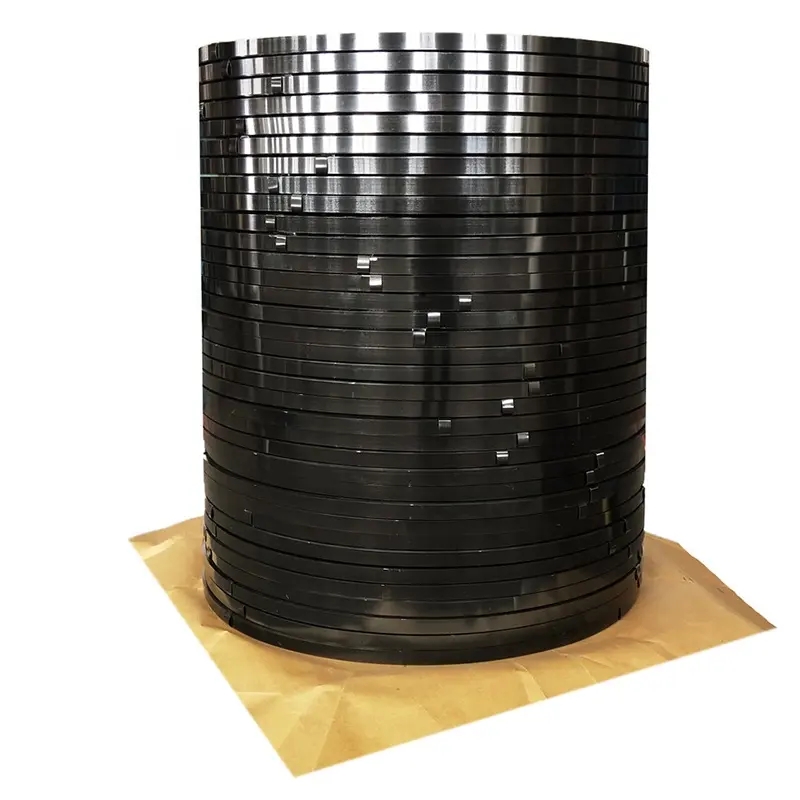
This steel strap is a coated and painted coil for binding heavy, sharp-edged or high-value items during transport, storage and handling. If your loads consist of metal parts, timber bundles, machinery or construction components, you need a strap that resists cuts from sharp edges, holds tension under mechanical pressure and tolerates changing weather. Supplied in 25 kg coils with four width and thickness combinations, it covers a range of load types and securing requirements.
Why loads fail without the right steel strap
Heavy items press against the strap at edges and corners with concentrated force. When the strap yields, the load shifts in transit and goods arrive damaged. Sharp edges on metal or timber can cut through softer strap materials entirely, leaving the load unsecured before it reaches its destination.
Outdoor yards and long-haul routes add further stress. Moisture, temperature swings and UV exposure weaken many strap types over time. The coated, painted surface on this product adds corrosion and wear resistance, keeping the strap functional in damp warehouses, open yards and cross-border freight.
How this coated steel strap secures your cargo
Each coil weighs 25 kg and is available in one of four width and thickness options:
- 16 x 0.5 mm
- 19 x 0.5 mm
- 25 x 0.8 mm
- 32 x 1.0 mm
To apply, feed the end of the strap through a tensioner or combination tool and loop it around your load. Insert the free end through a seal, making sure the strap is centred. Tension to the required tightness, then crimp the seal over the overlapping ends with a sealer tool. Trim any excess with a steel strap cutter for a clean finish.
The strap has smooth edges and an even surface, which lowers the chance of nicks or scrapes when you handle it.
Where this strap works and where it does not
This steel strap suits industries that move rigid, heavy or sharp-edged goods. Typical uses include:
- Pallet loads in logistics and warehousing
- Bundled timber and plywood in the lumber industry
- Metal coils, sheets and fabricated parts in metalworking
- Pipes and structural components on construction sites
- High-value cargo for export and long-distance freight
The strap works with standard manual, pneumatic and battery-powered strapping tools, so it should fit the equipment you already have.
It is not suited for lightweight or fragile items that could be dented or crushed by a rigid strap under tension. If your goods need a strap that absorbs shock through elongation, a different strap material is the better choice.
What to verify before ordering your steel strap
Four variants are available. Pick the width and thickness that match your load profile and your tooling:
- 16 x 0.5 mm
- 19 x 0.5 mm
- 25 x 0.8 mm
- 32 x 1.0 mm
Each coil weighs 25 kg. You will need seals sized to your chosen strap width, a tensioner or combination tool, and a cutter. Confirm that your existing tools accept the specific width and thickness before placing your order.
Always wear gloves and eye protection when feeding, tensioning and cutting the strap. After each application, inspect the strap for correct tension and seal position, then perform a pull test to confirm the joint is secure before releasing the load.
Specifications
| Parameter | Specification |
|---|---|
| Prepare the materials | Ensure you have the necessary equipment, including a steel strapping tool or tensioner, seals, and a dispenser if applicable. Gather the items to be strapped and make sure they are properly arranged and aligned for strapping. |
| Wear safety gear | Put on appropriate safety gear, such as protective gloves and safety glasses, to prevent any injuries during the strapping process. |
| Tension the steel strap | Take the steel strap roll and feed the end through the designated slot or guide on the strapping tool. Pull the strap out and insert it into the seal, ensuring that it is centered and securely positioned. Position the strapping tool or tensioner at the desired starting point on the load, applying tension to the strap by cranking the handle or using the tool's tensioning mechanism. Continue tensioning until the strap is tight and secure around the load. |
| Seal the steel strap | Once the desired tension is achieved, position the seal over the overlapping strap ends. Place the sealer tool or combination tool over the seal and squeeze it tightly, crimping the seal and securely connecting the strap ends together. |
| Cut excess strap | Use a steel strap cutter or shears to trim any excess strap length, ensuring a clean and professional finish. |
| Repeat as needed | If strapping a large or long load, continue the process of feeding the strap, tensioning, sealing, and cutting until the entire load is securely strapped. |
| Inspect and test the strap | After strapping, carefully inspect the strap to ensure it is properly tensioned, sealed, and securely holding the load. Conduct a pull test by applying force to the strap to confirm its strength and integrity. |