
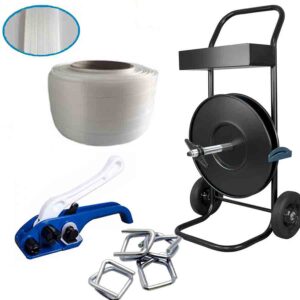
Composite Cord Strap: Bulk Supply for High-Volume Strapping
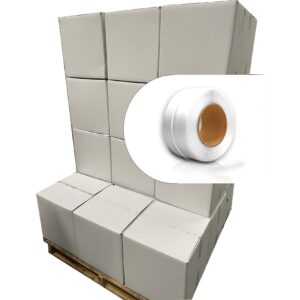
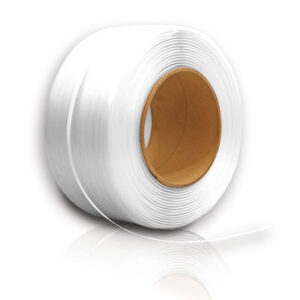
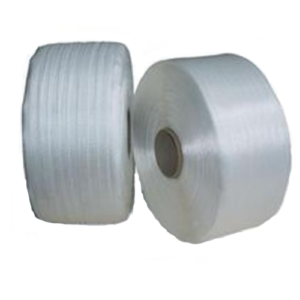
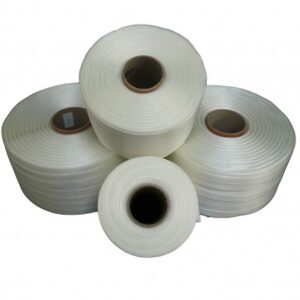
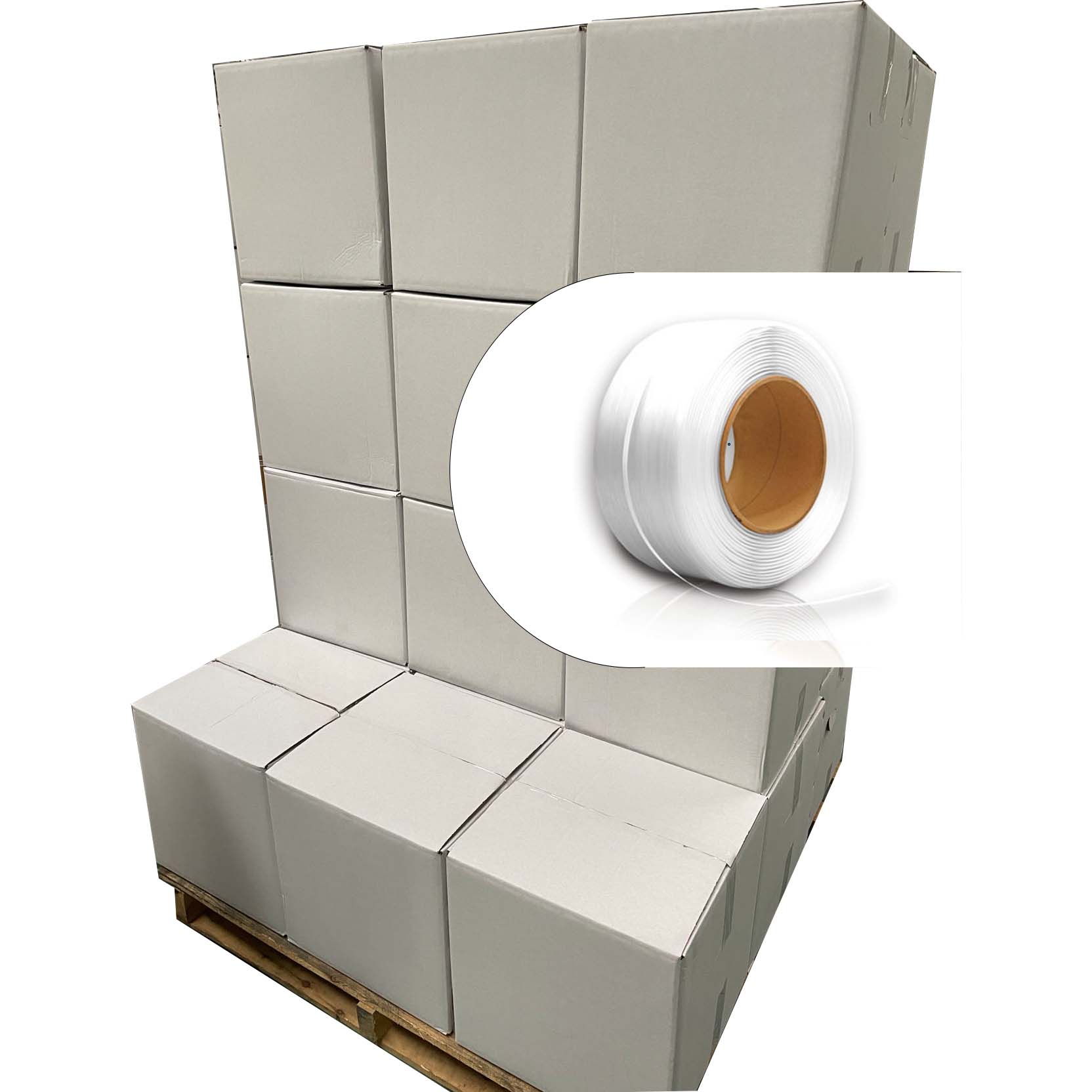
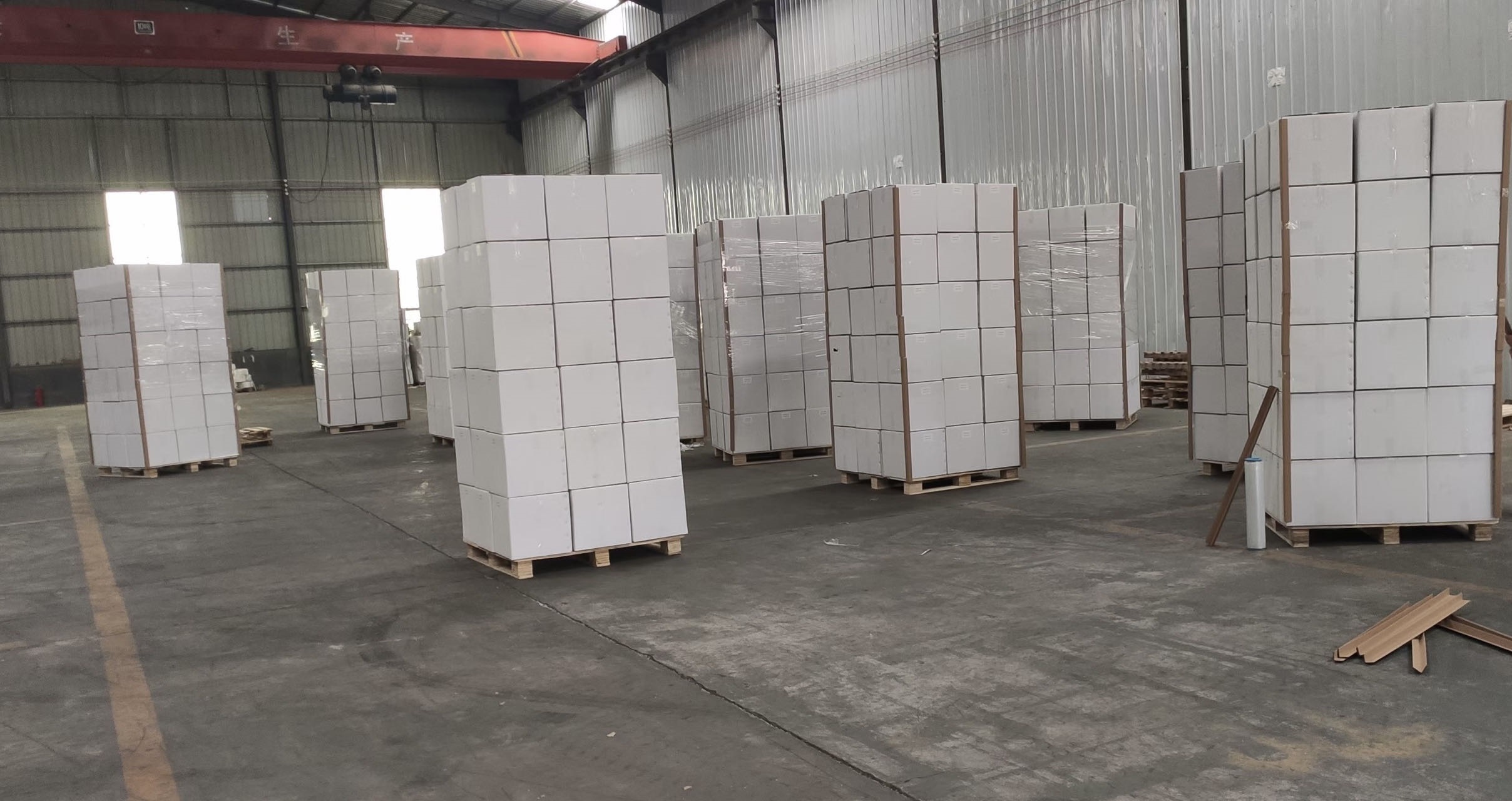
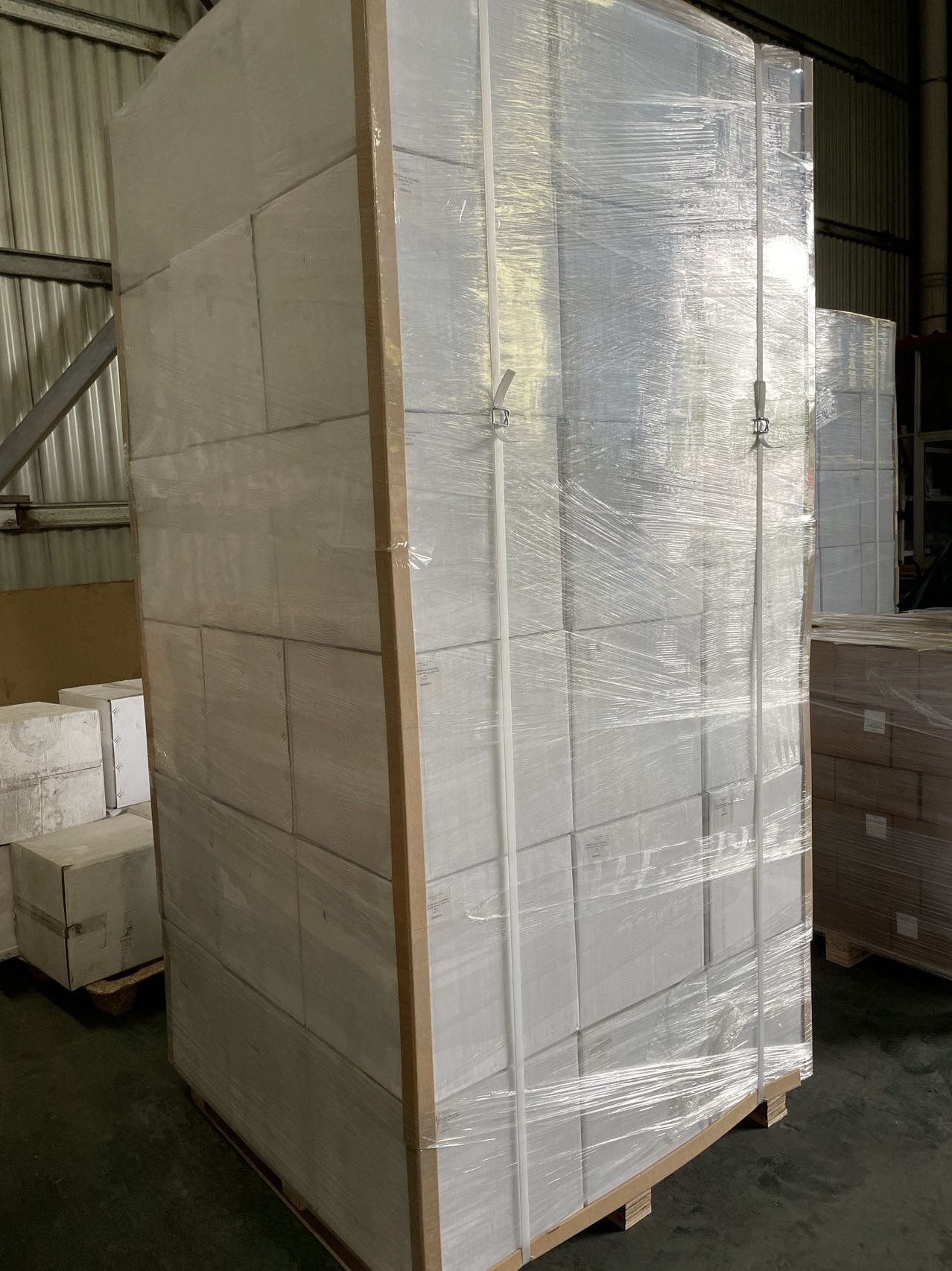
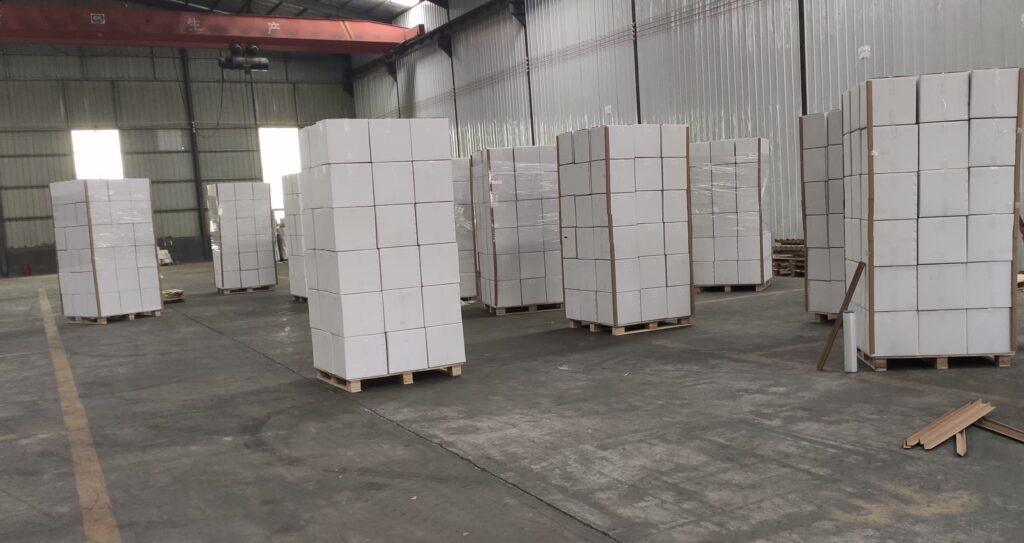
Composite cord strap gives you a lighter, safer alternative to steel banding when you are securing heavy or shifting loads on pallets. If your warehouse or production floor consumes strapping material at pace, ordering individual rolls means frequent re-orders, higher per-unit shipping costs and the risk of running out mid-shift. This pallet of 90 rolls puts a large, continuous supply at your dock in a single delivery.
The Problem with Steel Banding and Small-Batch Ordering
Steel strap is strong, but it comes with drawbacks that cost you time and money:
- Steel bands can snap under tension or during removal, creating a serious injury hazard for operators.
- Steel is heavy, which adds to freight costs and makes manual handling harder.
- It can corrode when stored or transported outdoors, potentially staining or damaging cargo.
- Ordering strapping material in small quantities raises per-unit costs and generates more packaging waste.
When loads shift in transit, a rigid steel band may not absorb that movement, increasing the chance of breakage. You need a material that holds tension yet offers enough flexibility to accommodate minor load shifts.
How Composite Cord Strap Solves It
This strapping material is lighter than steel, non-corrosive and weather-resistant, so it suits outdoor storage and transport without risk of rust marks on your goods. It is safer for operators during application and removal compared to steel strap, which can snap dangerously.
Five widths are available, each with a matched roll length and system strength (with buckle):
- 13 mm, 1100 m per roll, 675 kg, roll weight 9.65 kg
- 16 mm, 600 m per roll, 900 kg, roll weight 7 kg
- 19 mm, 500 m per roll, 1050 kg, roll weight 8 kg
- 25 mm, 500 m per roll, 1250 kg, roll weight 10.1 kg
- 32 mm, 300 m per roll, 1750 kg, roll weight 9.3 kg
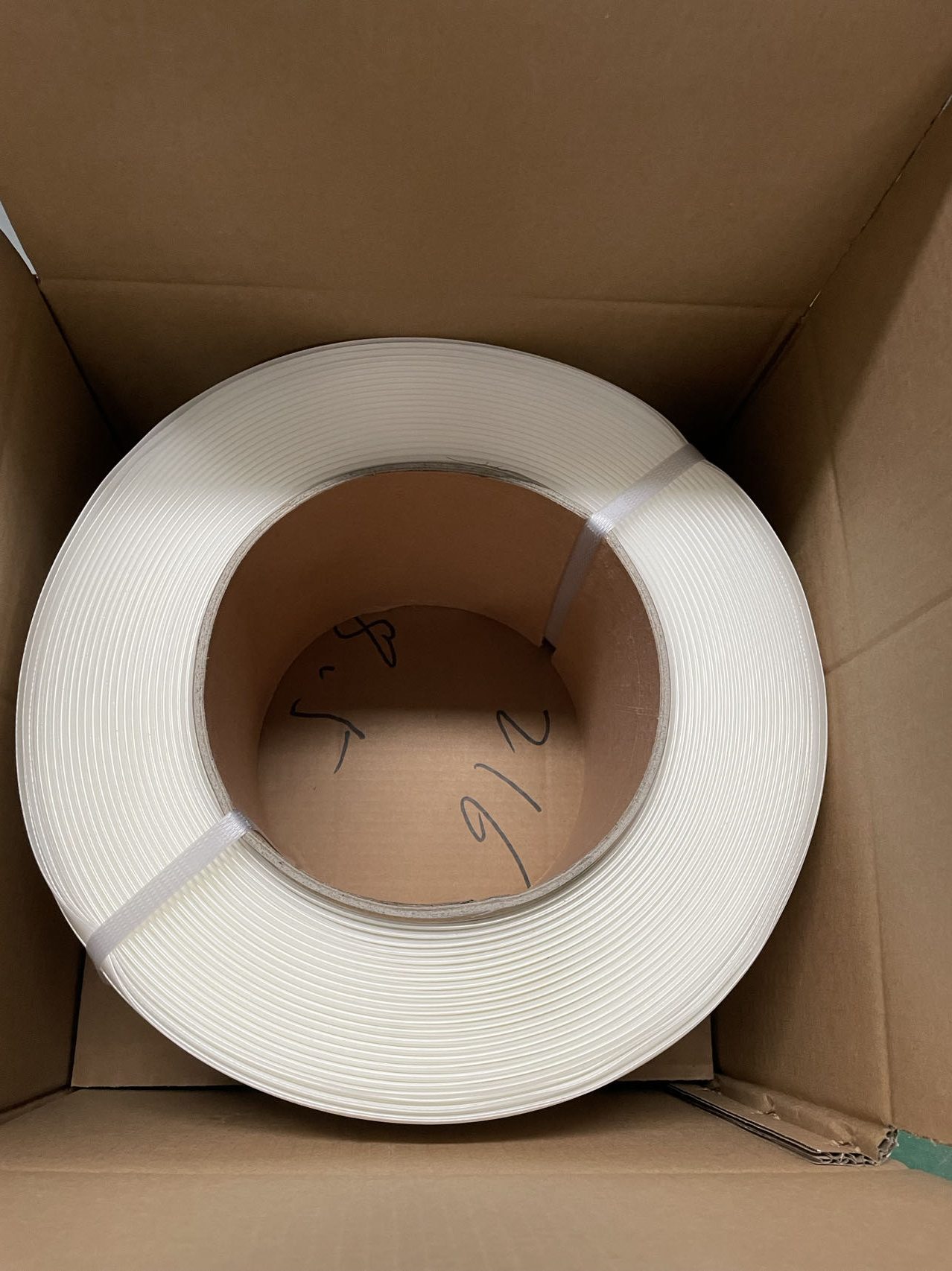
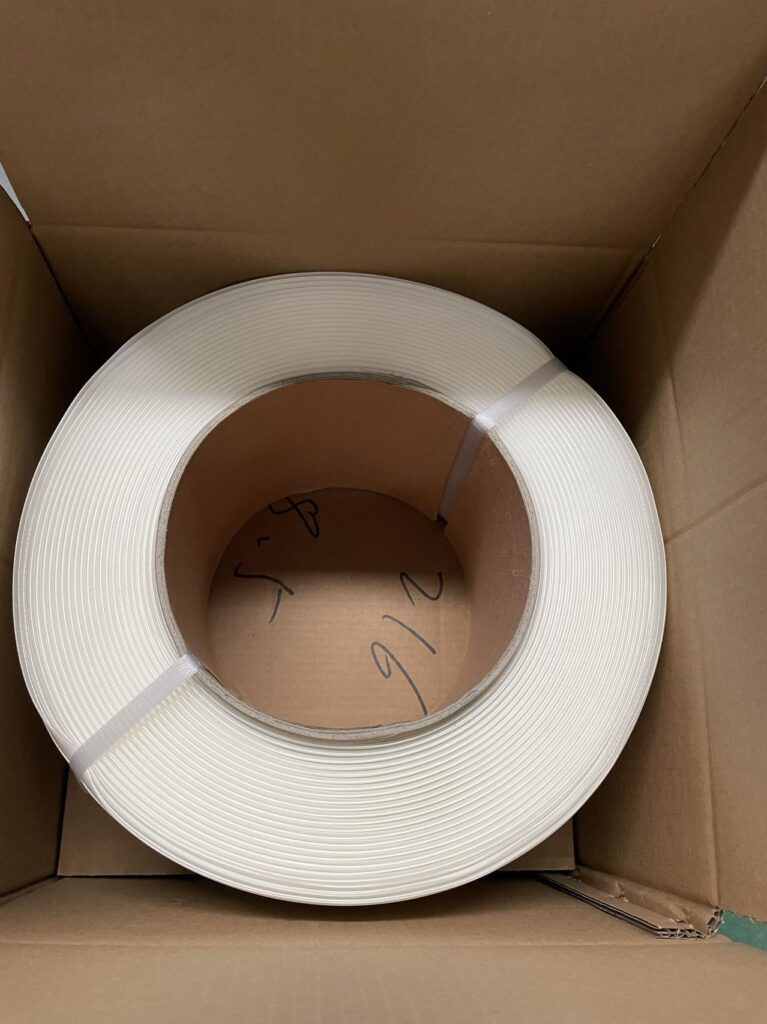
Each roll is packed two per carton. The composite cord strap can be reused across multiple shipments, which brings your cost per load down further. A single operator can apply it, reducing labour effort compared to steel.
Where This Composite Cord Strap Fits and Where It Does Not
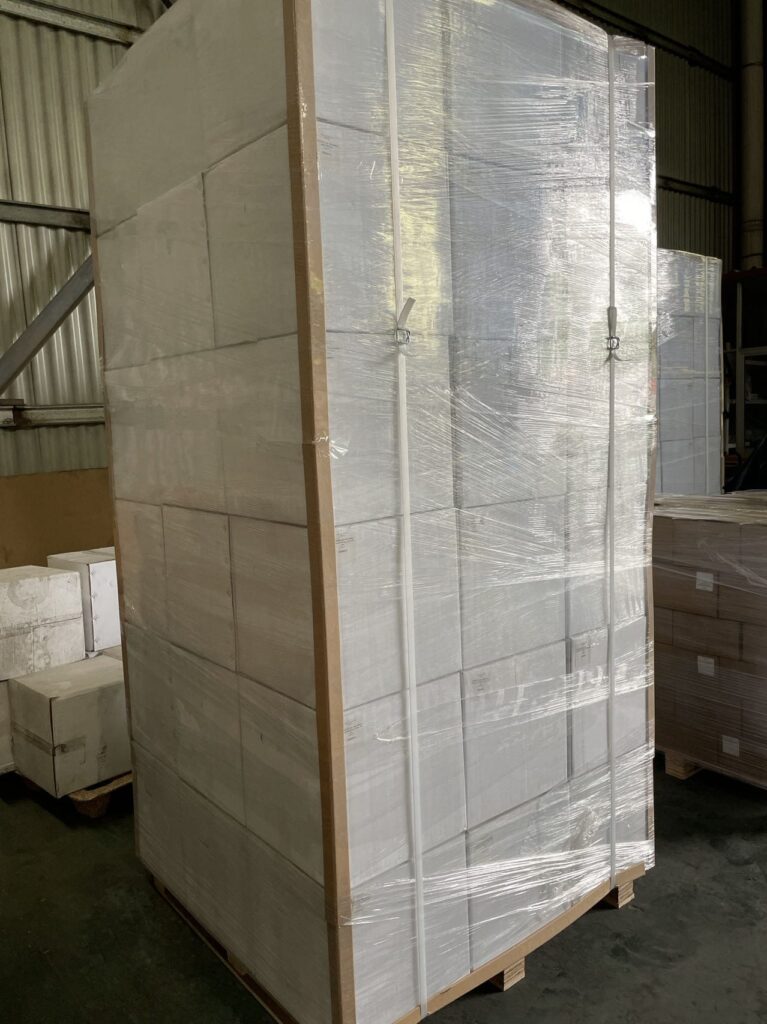
This product is suited for securing palletised goods, machinery, equipment and other heavy cargo where flexibility and reusability matter. It is a practical choice for loads that may shift during transit, because the material absorbs movement instead of resisting it rigidly. It is also appropriate for outdoor yards and open-air storage, given its weather and corrosion resistance.
It is not a replacement for steel strap where maximum breaking strength is the overriding requirement, for example on extremely heavy or rigid loads that demand the highest possible holding force. For light loads, standard plastic strap may be more appropriate and less costly.
What to Check Before You Order Composite Cord Strap
Confirm the width and strength you need based on your cargo weight and load profile. The 90-unit pallet is a single-width order per variant, so select the correct option:
- 13 mm for duties up to 675 kg system strength with buckle
- 16 mm for up to 900 kg system strength with buckle
- 19 mm for up to 1050 kg system strength with buckle
- 25 mm for up to 1250 kg system strength with buckle
- 32 mm for heavy cargo up to 1750 kg system strength with buckle
All strengths quoted are system strengths with buckle. You will need compatible buckles for tensioning and securing the strap. The strap is reusable, so factor that into your consumption estimate when sizing your order.
Specifications
| Parameter | Specification |
|---|---|
| Comparison of cord straps with steel straps and plastic straps, and the situations where cord straps are more suitable to use | Strength: Steel strap is the strongest of the three materials and is suitable for securing heavy and bulky loads that require maximum strength. Cord strap, on the other hand, has a lower strength compared to steel strap but still offers sufficient strength for most cargo types. The plastic strap is the weakest of the three materials and is only suitable for light loads. Flexibility: Cord straps are more flexible compared to steel straps, making them ideal for securing loads that may shift during transit or require some degree of movement. Steel straps are not as flexible, making them more suitable for loads that are rigid and don't require any movement. Plastic straps are flexible, but they are not as strong as cord straps or steel straps. Reusability: The cord strap is reusable, allowing customers to save costs over time by using the same straps for multiple shipments. The steel strap is also reusable, but it requires special tools to remove and reapply. The plastic strap is not reusable and must be discarded after use. Safety: Cord Straps and Plastic Straps are safer to use compared to Steel Straps as they are less likely to cause damage or injury during use. A steel strap can be dangerous if it breaks or is not applied correctly, leading to injuries or damage to cargo. Cost: Cord straps and plastic straps are more cost-effective compared to steel straps, which can be expensive due to their high strength and durability. Based on the above factors, a cord strap is more suitable to use in situations where flexibility, reusability, and cost-effectiveness are important. The cord strap is also suitable for securing most cargo types and has sufficient strength to handle most loads. Steel straps are more suitable for heavy and bulky loads that require maximum strength but may not be as flexible or cost-effective. Plastic straps are only suitable for light loads and are not as strong or durable as cord straps or steel straps. |